

When we talk about skin health, it is easy to focus on what we can see: fine lines, pigmentation, redness, texture or loss of firmness. But healthy skin is much more than its appearance. The skin is a complex biological organ and its ability to function well depends on its barrier, immune activity, cellular signalling, response to environmental factors and ability to repair itself. This is why understanding skin health means looking beyond individual products and treatments. At Woulfe, we believe good skincare starts with understanding the skin, considering the available science and then deciding what is appropriate for the individual. Four areas that are increasingly important in this conversation are the skin barrier, pigmentation, photobiomodulation and glycation.
The Skin Barrier: When the Skin Needs Less
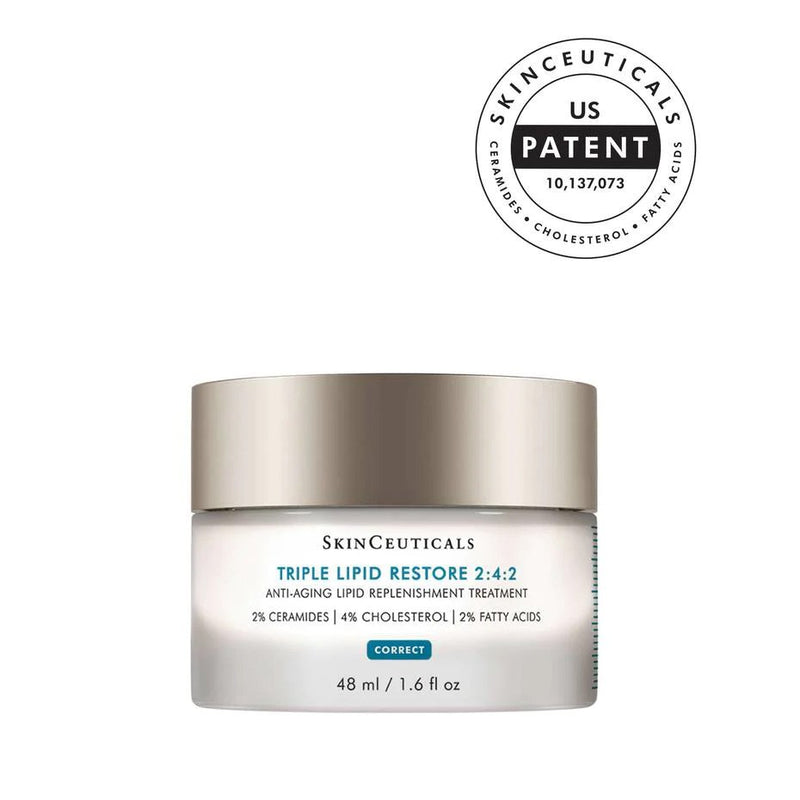
The outermost layer of the epidermis, the stratum corneum, provides an extraordinary protective interface between our body and the outside world. Its lipid matrix includes ceramides, cholesterol and free fatty acids, which contribute to maintaining barrier integrity. When barrier function becomes compromised, transepidermal water loss can increase and the skin may become:
- Dry
- Tight
- Red
- Reactive
- Uncomfortable
Products that were previously well tolerated may suddenly begin to sting. This can sometimes lead people to introduce even more products in an attempt to correct the problem. But this isn't always the answer. Sometimes the skin needs less. Repeated exfoliation, aggressive cleansing, excessive acids, retinoids and inappropriate combinations of professional treatments can overwhelm vulnerable skin. This is why skin assessment matters. Sometimes we correct. Sometimes we stimulate and sometimes the most appropriate approach is to calm, hydrate and support the skin while its barrier recovers.
Pigmentation: More Than Just Sun Damage
Pigmentation is another area where understanding the biology can change the way we approach the skin. Melanin is not the enemy. It is part of our natural photoprotective system. Problems can arise when melanin production or distribution becomes dysregulated, contributing to conditions such as melasma, post-inflammatory hyperpigmentation and solar pigmentation. Ultraviolet radiation is an important factor, but it isn't the whole story. Visible light can also contribute to pigmentation, particularly in darker phototypes and melasma-prone skin. Inflammation can also play a role. This is one reason why repeatedly irritating pigmented skin in an attempt to remove pigmentation can sometimes be counterproductive. Successful pigmentation management may involve carefully selected ingredients, professional treatments, antioxidants and appropriate broad-spectrum and visible-light photoprotection and importantly, pigmentation requires patience. It is generally managed rather than permanently cured.
LED & Photobiomodulation
Another area we continue to study is photobiomodulation, commonly known as LED therapy. Specific wavelengths of red and near-infrared light are being investigated for their effects on:
- Cellular signalling
- Inflammation
- Wound healing
- Tissue repair
Unlike some energy-based treatments, LED does not deliberately create thermal injury. This can make photobiomodulation an interesting technology to consider within carefully designed skin programmes and recovery protocols. However, not every LED device or protocol is equivalent. Wavelength, irradiance, dose, treatment duration and treatment frequency all matter. The technology should therefore be selected because it is appropriate for the skin and the treatment objective — not simply because an LED device is available.
Glycation & Skin Longevity
When we think about skin ageing, wrinkles are often the first thing that comes to mind. But the biology of ageing is much more complex. Glycation is one area attracting increasing attention in skin longevity research. Glycation occurs when sugars react non-enzymatically with proteins, lipids or nucleic acids, eventually contributing to the formation of advanced glycation end-products. Long-lived structural proteins such as collagen can be affected. This is one reason we increasingly look at skin ageing as more than simply a wrinkle problem. Photoprotection, smoking, nutrition, metabolic health, inflammation, sleep, appropriate skincare and professional treatment can all contribute to the bigger picture. There is no single anti-ageing ingredient or treatment that can replace that wider approach.
How Do These Four Areas Connect?
At first glance, the skin barrier, pigmentation, LED and glycation might seem like completely different subjects. But they all contribute to a broader understanding of how skin functions, responds to its environment and changes over time. The skin barrier helps regulate the relationship between the skin and its external environment. Pigmentation reflects complex biological responses to factors including light and inflammation. Photobiomodulation is being investigated for its effects on cellular signalling, inflammation and repair. Glycation is one of the biological processes being explored in relation to ageing and long-lived structural proteins such as collagen. Together, they reinforce an important principle:
Healthy skin isn't simply about treating what we can see.
It is about understanding what is happening beneath the surface and choosing interventions according to the individual skin, the available evidence and the desired outcome.
The Woulfe Approach
This is ultimately why we don't believe that more treatment automatically means better treatment. A compromised skin may need barrier support rather than stimulation. Pigmented skin may need a carefully considered long-term approach rather than aggressive exfoliation. A technology such as LED needs to be selected according to its wavelength, dose and intended purpose and skin ageing cannot be reduced to a single ingredient, treatment or wrinkle. Our approach is to understand the skin first, then decide what is appropriate.
Support. Protect. Correct. Prevent.
Want to learn more about your skin?
Our team can assess your skin and help you understand which products, ingredients and professional treatments may be appropriate for your individual needs.