

Menopause is sometimes discussed as though it were simply the end of menstruation. Biologically, considerably more is happening. The menopausal transition involves profound changes in hormonal signalling, particularly declining ovarian oestrogen production. Oestrogen receptors are present throughout the body — including the skin, bone, brain, blood vessels and musculoskeletal system. That helps explain why menopause can influence far more than periods.
What happens to the skin?
Oestrogen influences several aspects of skin physiology. During and after menopause, women may experience changes in:
- collagen
- skin thickness
- hydration
- elasticity
- barrier function
- wound healing
- sebum production
Skin may suddenly feel considerably drier. Products tolerated for years may no longer feel appropriate. Changes in collagen and supporting structures can contribute to increased laxity and altered skin texture. This isn’t simply cosmetic. It is part of systemic biological ageing occurring in a changing hormonal environment.
Muscle matters too
One of the most important conversations in healthy ageing has nothing to do with wrinkles. It is muscle. From midlife onwards, preserving skeletal muscle becomes increasingly important. Muscle provides strength and mobility, but it is also metabolically active tissue. It plays an important role in glucose disposal and insulin sensitivity and communicates with other tissues through signalling molecules known as myokines. Loss of muscle mass and strength with ageing can eventually contribute to frailty and loss of independence. This makes resistance exercise particularly important through midlife and beyond.
Nutrition changes in importance too
Protein provides the amino acids required for muscle protein synthesis and numerous other biological functions. Adequate protein intake, combined with resistance exercise, becomes increasingly relevant as we age. That is different from collagen supplementation. Collagen peptides can provide particular amino acids and have been investigated for skin hydration and elasticity. Products such as Skinade can therefore sit within a skin-health strategy. But a collagen drink should not replace adequate dietary protein. They have different nutritional purposes.
What about the skin from the outside?
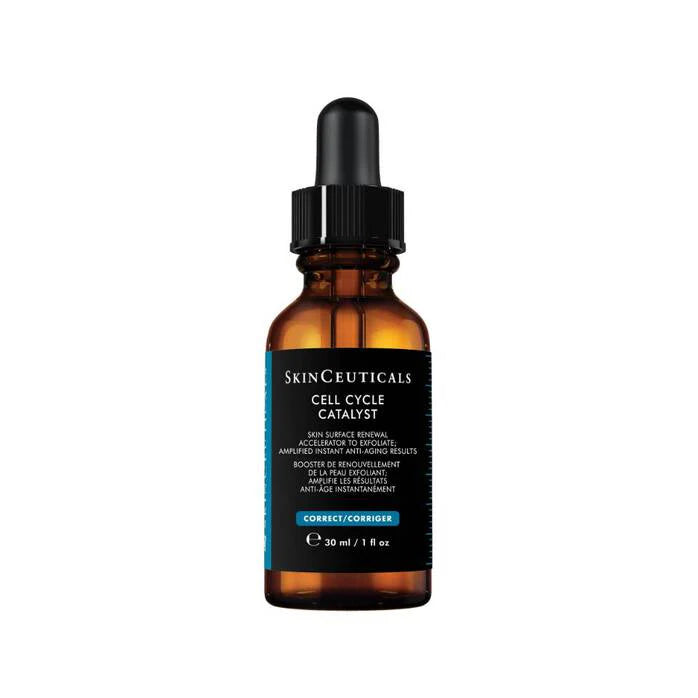
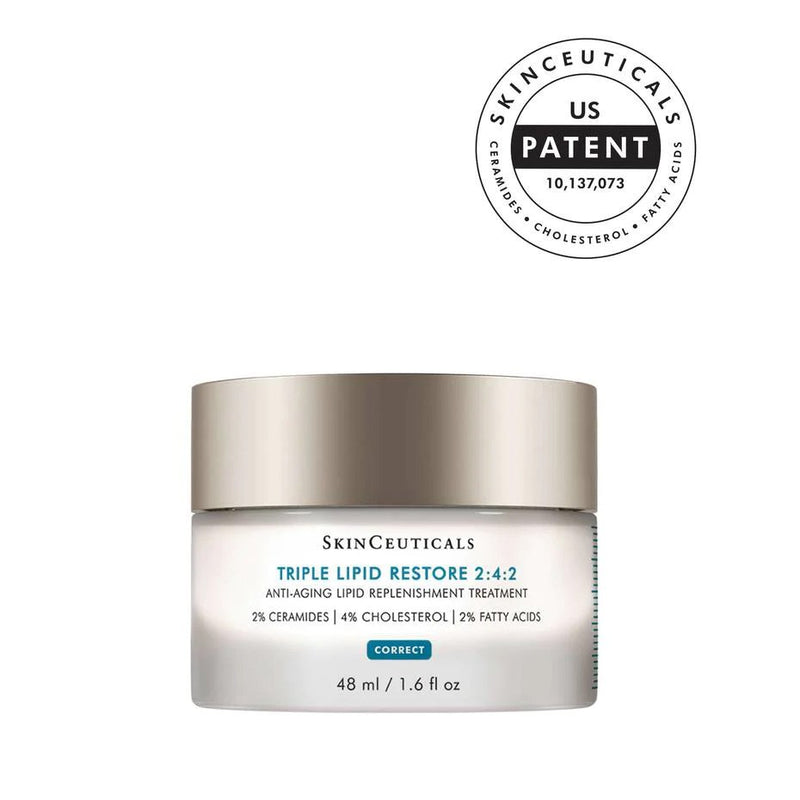
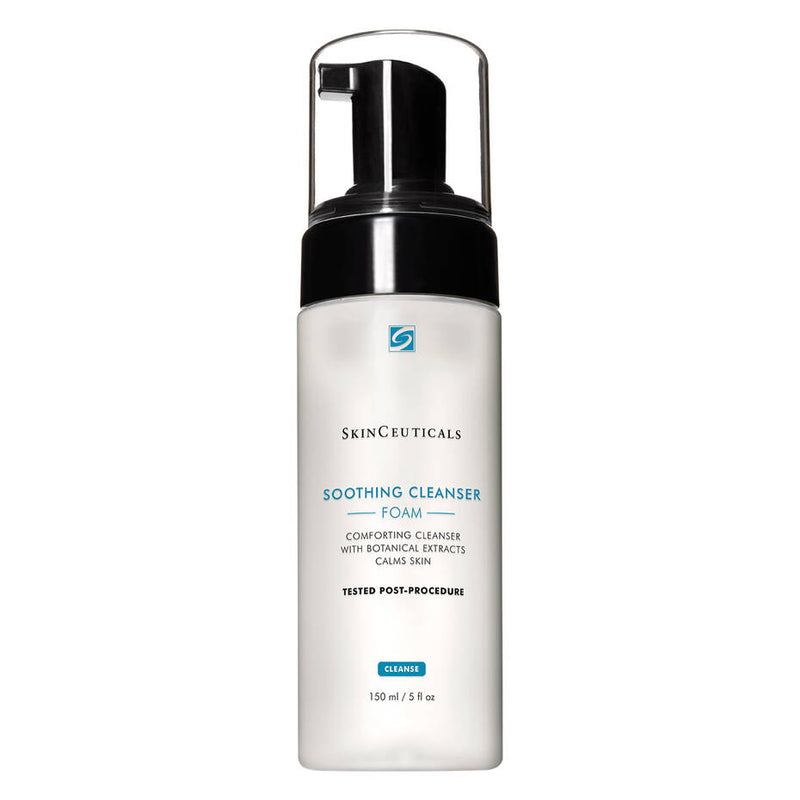
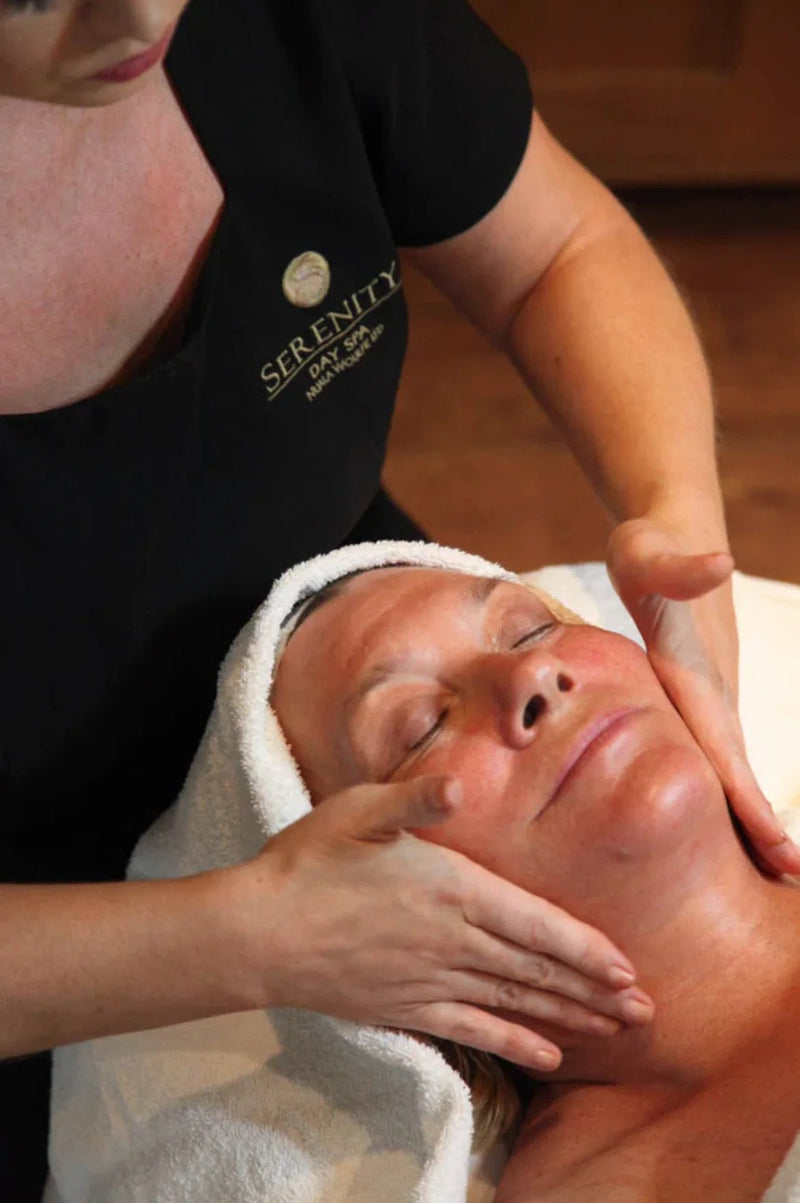
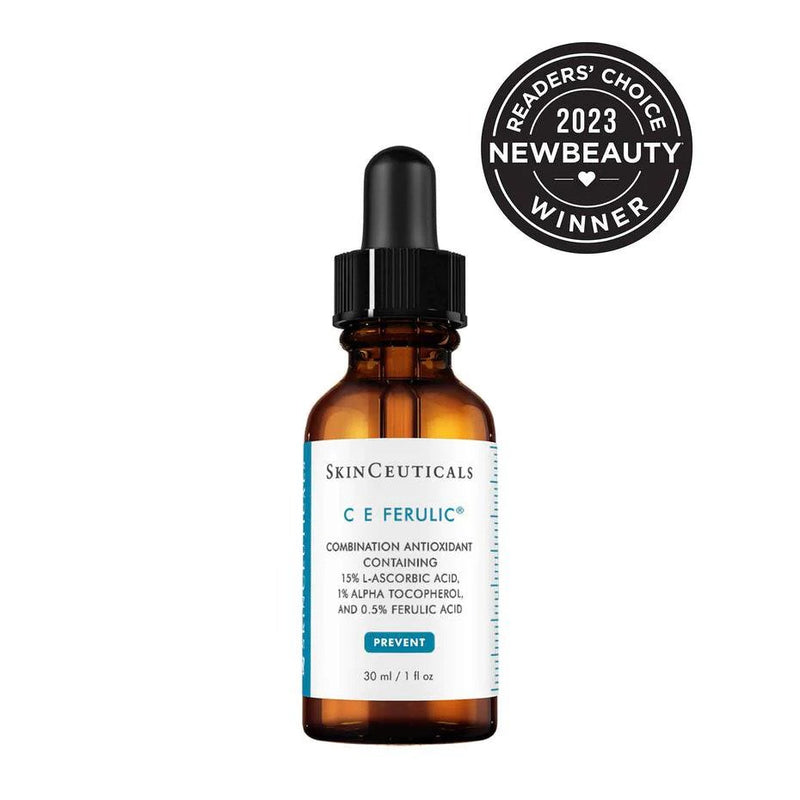
This is where professional skincare can become increasingly sophisticated. Photoprotection remains fundamental because cumulative UV exposure is one of the major drivers of collagen degradation and visible skin ageing. Antioxidants can complement photoprotection. Retinoids, where appropriate and tolerated, can support several aspects of ageing skin. Professional treatments including microneedling, radiofrequency, LED, peels and other collagen-supportive procedures can be selected according to individual skin condition. SkinCeuticals and Dermaceutic programmes can then support the skin between treatments. Heliocare can form part of a wider photoprotection - topical broad-spectrum sunscreen to support sensible sun behaviour.
Menopause requires a bigger conversation
Perhaps this is where the beauty industry’s traditional approach to ageing women has been too simplistic. A woman doesn’t suddenly need more anti-ageing cream at menopause.
Education on :
-
Skin health.
-
Muscle.
-
Bone.
-
Cardiovascular health.
-
Nutrition.
-
Sleep.
-
Hormonal health.
-
Movement.
-
Mental wellbeing.
-
Medical care where required.
- Resistance training is recognised as very effective.
Healthy ageing starts with a healthy lifestyle. . It is about understanding the biological transition and supporting the body intelligently through it.